
Group Insurance Health Screening: 5 Trends for 2026
Explore 5 critical group insurance health screening trends for 2026, from digital enrollment integration to non-invasive biometric data tracking.
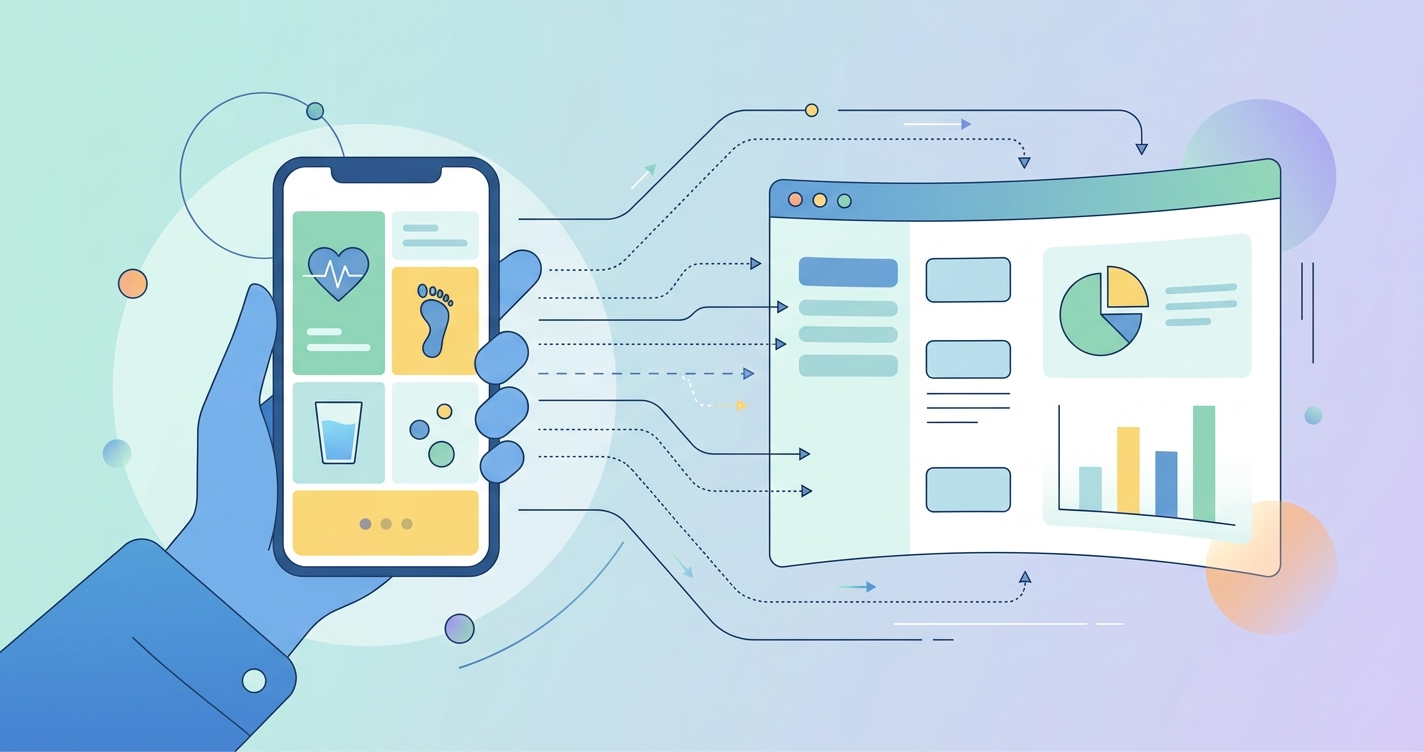
The infrastructure of employer benefits is undergoing a structural transformation. As carriers and benefits consultants finalize plan designs for the upcoming cycle, integrating group insurance health screening directly into the digital enrollment process has moved from an optional add-on to a strategic requirement. Medical trend rates continue to outpace inflation, forcing third-party administrators (TPAs) and self-funded employers to seek more sophisticated data collection models. By moving away from subjective health risk assessments and towards scalable, digital biometric evaluations, organizations are fundamentally changing how they project risk, segment populations, and assign benefits capital.
"By early 2024, 35 percent of Fortune 500 companies had integrated digital health assessment platforms into their core employee benefits, demonstrating 28 percent higher engagement rates than traditional paper-based wellness programs." , PricewaterhouseCoopers (PwC) Employer Benefits Perspective Survey, 2024
5 trends reshaping group insurance health screening in 2026
The methodology for assessing employee health during the annual enrollment period is shifting rapidly. Carriers are optimizing for scale, user experience, and data integrity. Below are five distinct trends driving the group insurance health screening market into 2026.
1. migration from paper questionnaires to measured digital biomarkers
For decades, the standard benefits enrollment health assessment relied on self-reported questionnaires. Employees would guess their blood pressure, estimate their physical activity, and often round down their weight. This self-reported data is notoriously unreliable for underwriting or risk stratification because it inherently leans toward optimism. In 2026, the trend has definitively shifted toward capturing measured digital biomarkers. Digital screening platforms can now securely collect physiological data using software-based workflows that require minimal physical interaction, eliminating the subjective bias of paper forms. This technological shift enables carriers to build risk models based on objective data rather than optimistic self-reporting, fundamentally changing the accuracy of population health projections.
2. API-Led Integration with Core Enrollment Platforms
A group insurance health screening is only valuable if a statistically significant portion of the population actually completes it. Historically, employer biometric screening technology was managed on a disparate portal, leading to massive drop-off rates as employees forgot passwords or ignored emails. The current technological standard demands deep API-led integration with core benefits administration software. When an employee logs in during open enrollment to select their medical, dental, and group life plans, the health screening appears seamlessly in the critical path of the enrollment workflow. This single sign-on approach reduces friction, prevents login fatigue, and dramatically increases participation rates among eligible lives. Carriers are demanding this integration because it turns a passive benefit into an active data collection touchpoint.
3. non-invasive technologies replacing onsite blood draws
The logistics of organizing an onsite biometric screening clinic are notoriously complex and costly. Coordinating nurses, managing physical blood draws, handling biohazard compliance, and securing conference rooms create significant administrative overhead for TPA administrators. Furthermore, the permanent shift to remote and hybrid work models has rendered onsite clinics practically obsolete for highly distributed workforces. The 2026 standard actively replaces the needle with non-invasive digital screening options. Employees can now participate from their living rooms using personal devices. This democratization of access ensures that group life underwriting health data is captured across the entire census, not just the subset of employees who commute to a physical office building on a specific Tuesday in October.
4. transition from voluntary wellness to underwriting risk stratification
Historically, a voluntary benefits health scan was positioned purely as a wellness initiative, a simple mechanism to trigger gym reimbursements or initiate basic health coaching. Today, benefits consultants and actuaries are extracting far more utility from this process, utilizing the outputs directly for group risk stratification. While individual data remains highly protected, anonymized and aggregated cohort data allows self-funded plans and stop-loss carriers to accurately model clinical risk across the entire organization. Actuaries can identify specific disease trajectories, such as rising hypertension rates, well before they result in catastrophic claims. This trend signifies a graduation of health screening from a human resources engagement tactic to a rigorous financial risk management instrument.
5. tighter privacy controls and decentralized identity
As digital enrollment screening captures more precise biometric data in group plans, intense regulatory scrutiny naturally follows. Employees are highly sensitive to who accesses their physiological information, and they are quick to abandon a process if they suspect their employer can view the results. To maintain trust and ensure compliance, the platforms dominating the 2026 market are built on decentralized identity frameworks and strict localized processing architectures. Rather than storing vast repositories of sensitive health metrics in a vulnerable centralized server, modern systems process the data at the edge, often on the user's device, and only transmit encrypted, synthesized risk scores to the carrier. This structural privacy by design satisfies both internal compliance mandates and strict employee data protection expectations, ensuring high completion rates.
Traditional vs. digital screening modalities
The operational differences between legacy screening formats and modern digital architectures are distinct and measurable.
| Feature | Traditional Screening (Pre-2025) | Digital Screening (2026) |
|---|---|---|
| Data Collection | Manual blood draws, self-reported forms | Non-invasive, device-based capture |
| Location | Onsite corporate clinics, local labs | Remote, home-based, globally accessible |
| Enrollment Integration | Disconnected, third-party portals | Native API within benefits admin system |
| Underwriting Value | Delayed, often low participation | Real-time cohort risk stratification |
| Cost Structure | High fixed costs per participant | Scalable software-as-a-service model |
Implementing these updated screening frameworks requires careful planning. Carriers and benefits consultants should prioritize the following operational checkpoints:
- Verify that the screening platform integrates directly with the chosen benefits administration system via open APIs.
- Ensure all digital biometric data capture complies with local privacy regulations and utilizes edge-processing where applicable.
- Design communication strategies that explicitly explain data anonymization to drive employee trust and participation.
- Map the aggregate data outputs to specific actuarial models for stop-loss and group life pricing.
- Configure post-screening routing so employees immediately receive relevant wellness resources based on their results.
Industry applications for group health data
The utility of a modernized group insurance health screening extends across the entire benefits value chain. Different stakeholders utilize the aggregated data to achieve distinct operational efficiencies.
Tpa administrators and self-funded plans
For third-party administrators managing self-funded employer plans, controlling the medical loss ratio is the primary operational objective. Aggregate biometric data serves as an essential early warning system for chronic disease onset. If a screening indicates a 15 percent year-over-year increase in pre-hypertensive markers across a specific employee cohort, the TPA can proactively adjust the plan design. They might introduce targeted cardiovascular disease management programs, negotiate specific pharmaceutical rebates, or implement new telemedicine routing before those conditions escalate into high-cost emergency room claims. This proactive capability is what separates legacy administrators from data-driven health partners.
Group life and disability underwriting
in group life and disability insurance, carriers traditionally rely on historical claims data and broad census demographics like age, gender, and occupation to build rate tables. Introducing a voluntary benefits health scan adds a totally new layer of current physiological data into the underwriting process. By analyzing the aggregate health status of the applicant pool during open enrollment, actuaries can aggressively refine their mortality and morbidity assumptions. This precision allows carriers to offer more competitive guaranteed issue limits, optimize pricing structures, and expand coverage eligibility without taking on uncalculated, systemic risk.
Benefits consultants and broker differentiation
The benefits consulting market is highly commoditized, with brokers frequently pitching similar administrative platforms, identical carrier networks, and matching stop-loss contracts. Recommending a frictionless employer health data trends strategy provides a tangible, highly visible differentiator during the request-for-proposal process. When a consultant brings a digital screening solution that demonstrably increases employee participation and delivers actionable clinical risk insights directly to the employer's Chief Financial Officer, they elevate their status. The broker transforms from a transactional vendor who shows up once a year at renewal time into a strategic risk advisor embedded in the company's long-term financial planning.
Current research and evidence
Industry analysis strongly confirms the accelerated adoption of digital screening modalities over traditional methods. According to the Kaiser Family Foundation (KFF) 2025 Employer Health Benefits Survey, the relentless rising cost of employer-sponsored medical coverage continues to pressure firms into adopting aggressive, data-backed cost-containment strategies. The KFF survey notes that preventive screening participation is heavily correlated with long-term cost stability, driving employers to seek higher-engagement screening formats that employees will actually complete.
Similarly, the Marsh McLennan Agency (MMA) 2026 Employee Health & Benefits Trends Report indicates that human resources leaders are aggressively transitioning away from disconnected wellness point solutions. The MMA research emphasizes that modern employers demand consolidated platforms where the health screening is natively embedded within the core enrollment workflow. This integration captures a complete picture of workforce health without requiring employees to download secondary applications, remember new passwords, or visit external physical clinics.
The future of group insurance health screening
Looking ahead, the trajectory for group insurance health screening involves continuous, ambient insights rather than a single annual snapshot taken during open enrollment. As the technology matures, carriers will likely offer dynamic plan pricing based on continuous, opt-in cohort data tracking. We will see the convergence of wearable device integrations and periodic, non-invasive digital scans, creating a continuous feedback loop between aggregate employee health habits and carrier risk models.
Furthermore, predictive machine learning models will eventually synthesize this massive influx of biometric data, providing actuaries with risk engines that identify claim spikes months or even years before they manifest in the billing cycle. The ultimate goal is a completely proactive benefits ecosystem where clinical interventions are automatically triggered by real-time health data, fundamentally altering the economics of employer-sponsored healthcare and reducing overall market premiums.
Frequently asked questions
How does digital group insurance health screening improve completion rates? By embedding the screening process directly into the digital benefits enrollment portal, employees do not have to create new accounts, memorize additional passwords, or navigate to third-party lab websites. This seamless workflow reduces friction at the exact moment the employee is already thinking about their health benefits, which drastically increases overall participation.
What happens to the biometric data collected during enrollment? In fully compliant frameworks, individual health data is strictly protected under regulations like HIPAA and GDPR. Only aggregated, anonymized cohort data is provided to the employer or actuary for risk modeling. This structural privacy ensures that individual employees cannot be identified, discriminated against, or financially penalized based on their specific physiological results.
Can these digital screenings be used for voluntary group life insurance? Yes. Carriers are increasingly integrating generalized, non-invasive health scans directly into the enrollment process to capture aggregate clinical data. This helps actuaries refine their broader risk pools and allows carriers to occasionally adjust guaranteed issue amounts for voluntary life and disability products, expanding access to coverage.
Why are employers moving away from onsite biometric blood draws? Onsite clinics are highly expensive, logistically complex to organize, and extremely inefficient for modern hybrid or remote workforces. Digital, non-invasive screenings offer a scalable, globally accessible alternative that captures reliable physiological data without the significant overhead of physical nursing staff, biohazard disposal, and facility coordination.
As medical trend rates climb, maintaining the status quo in benefits data collection is a mathematical liability. Circadify provides the scalable technology required to bring objective, non-invasive health insights directly into the open enrollment process. To explore how forward-thinking carriers and benefits consultants are building these digital pathways, review our enterprise solutions at Circadify for Payers and Insurance.